Health and Safety Policy for Oven Cleaning Operations
 Purpose: This oven cleaning safety policy sets out clear responsibilities, safe working procedures and control measures for domestic and commercial oven cleaning tasks. It covers a range of oven cleaning services, including professional deep clean, degreasing of kitchen appliances, and maintenance that involves chemical, thermal and mechanical hazards. The policy’s objective is to protect workers, customers and property from harm while ensuring consistent, safe oven maintenance practice.
Scope: The policy applies to all staff and contractors conducting oven cleaning, whether undertaking an internal oven scrub, external degrease, extraction hood cleaning, or maintenance of associated heating elements. It addresses the hazards associated with heat, steam, electrical isolation, chemical exposure and manual handling during the oven cleaning process.
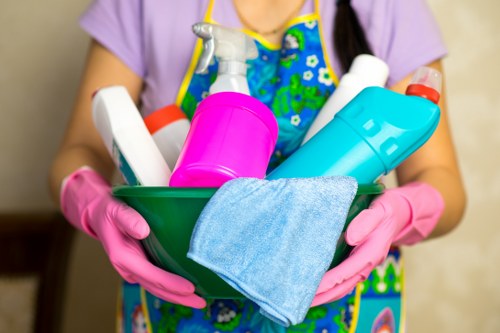
Risk Assessment and Safe Systems of Work
Before any oven cleaning or professional oven servicing begins, a documented risk assessment must be completed. The assessment should identify foreseeable hazards, such as residual heat from recently used appliances, chemical irritants, slippery surfaces from grease, and potential electrical risks if isolations are incomplete. Implementation of a safe system of work must follow, with controls selected in order of priority: elimination, substitution, engineering controls, administrative controls and provision of personal protective equipment.Key controls include ensuring appliances are cooled and power-isolated, using appropriate ventilation during oven degreasing and employing less hazardous cleaning agents where effective. Oven cleaning technicians must be trained to recognise signs of dangerous grease build-up, malfunctioning doors or seals, and compromised electrical connections. Routine pre-work checks and checklists should be used to confirm that the work area is suitable and that relevant permits (where required) are in place.
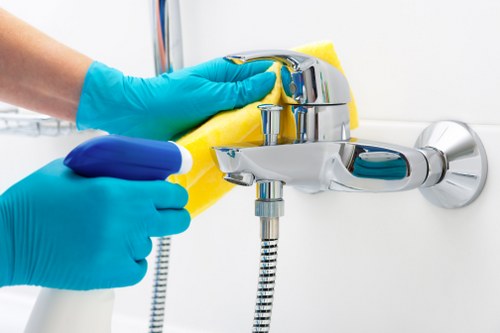
Personal Protective Equipment and Chemical Safety
Technicians must wear suitable PPE: chemical-resistant gloves, eye protection, aprons or protective overalls, and slip-resistant footwear. Respiratory protective equipment should be provided if ventilation is inadequate or if aerosolised cleaning agents are used. All cleaning substances must be used in accordance with manufacturer instructions; Safety Data Sheets (SDS) for degreasers and alkaline cleaners must be available at the workplace, and staff trained in their interpretation and emergency measures.Storage and Handling: Store chemicals in labelled containers, in a secure, ventilated area away from heat sources. Avoid mixing cleaning agents to prevent dangerous reactions. Use dilution systems or pre-measured dosing to minimise handling, and ensure spill kits are accessible and staff trained to use them in the event of a chemical spill.
Manual handling and ergonomics are significant during oven cleaning tasks. Oven cleaners must use correct lifting techniques, mechanical aids where possible, and team lifts for heavy components such as racks, trays and split oven doors. Ensure work positions minimise awkward postures and reduce the time spent bending or reaching into cramped cavities. Frequent short breaks reduce fatigue and the likelihood of musculoskeletal injury.
 Electrical and Thermal Safety: Prior to any internal cleaning, appliances must be isolated from their power source and locked off if practicable. Confirm circuits are de-energised and use non-contact voltage testers where appropriate. Be aware of residual heat in oven walls and elements following recent use; allow adequate cooling time and verify with temperature measurement tools. Where hot steam cleaning is used, ensure operators are protected from scald risk and that pressure settings are controlled.
 Emergency Preparedness and First Aid: Maintain clear emergency procedures including actions for chemical exposure, burns, electrical shock and slips. First aid kits must be available and stocked for treating burns and chemical splashes; staff should have access to eye wash facilities or portable eye rinse bottles. In the event of a serious incident, staff must follow established evacuation and emergency response protocols, and ensure affected areas are secured to prevent further harm.
Environmental Controls and Waste Management: Waste from oven cleaning, including grease, contaminated cloths and disposable PPE, must be managed responsibly. Place contaminated materials in appropriate containers, and follow local waste disposal regulations for hazardous and non-hazardous residues. Minimise water pollution by preventing greasy run-off into drains and using absorbents and recovery systems where feasible. Encourage use of biodegradable or less persistent cleaning agents to reduce environmental impact.
Training, Competence and Supervision: All personnel engaged in oven maintenance, oven degreasing or oven servicing must receive training in safe work practices, chemical handling and emergency procedures. Training should be documented and refreshed periodically. Supervisors must verify competence before authorising unsupervised work and provide ongoing oversight for high-risk tasks, including commercial kitchen deep cleaning and heavy equipment dismantling.
Monitoring and Continuous Improvement: The health and safety policy for oven cleaning will be reviewed regularly to reflect operational changes, incident learnings or new techniques and products. Routine audits, toolbox talks and incident investigations help ensure that controls remain effective. Staff are encouraged to report near-misses and hazards so that improvements can be implemented promptly. The organisation is committed to maintaining a culture where safety in oven cleaning is integral to quality and customer care.